

Why responsive typography matters in 2024
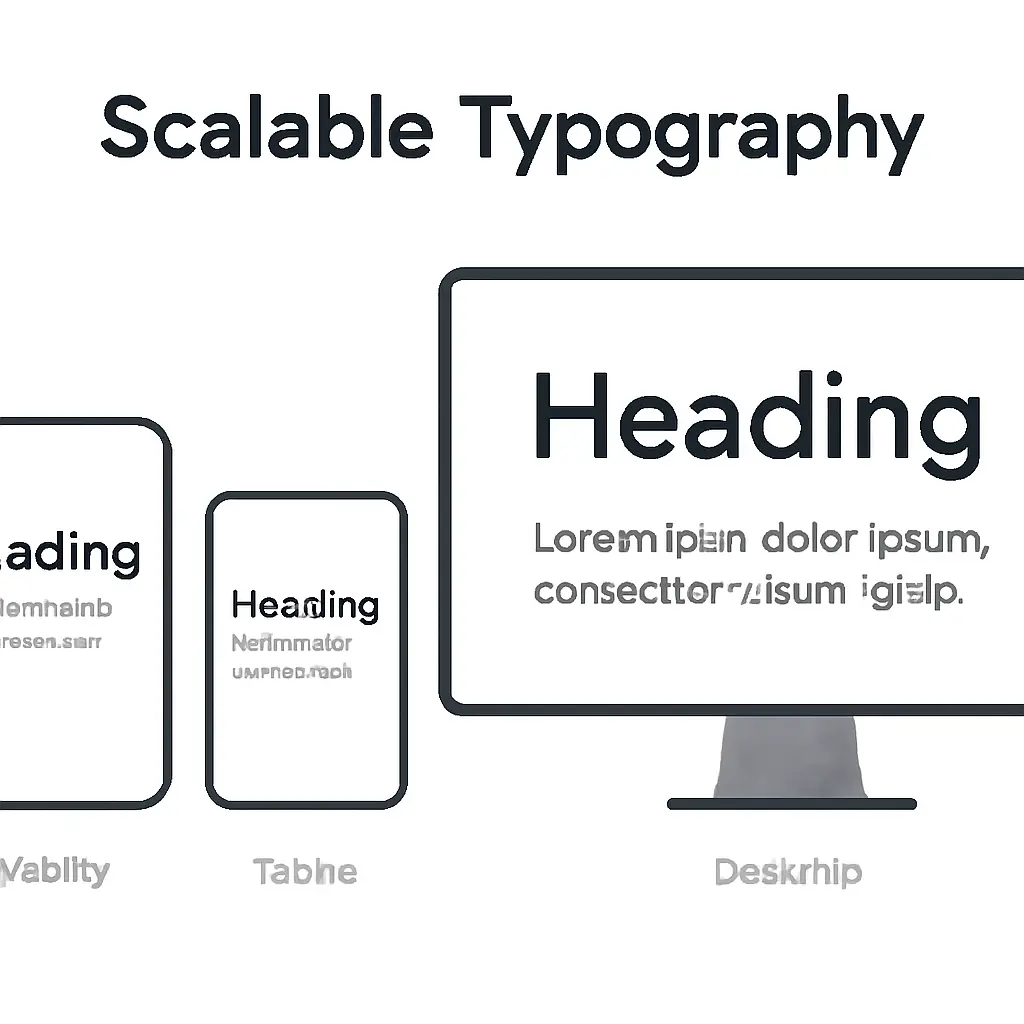
Responsive typography is the backbone of modern web readability and user experience. For designers at CPCreative and product teams, mastering scalable type systems ensures that content remains legible, accessible, and engaging across devices. This is increasingly important on pages like a Casino overview rating, where trust and clarity hinge on readable headings, clear tables, and balanced information hierarchy.
Core principles at a glance
Scale, rhythm, and contrast are the three pillars of responsive typography. A well-designed type system adapts font sizes, line heights, and spacing so that a long-form review or a compact Casino overview rating summary reads naturally on any screen. Designers must treat typography as a system — not an afterthought.
Key benefits for review-driven pages
When a visitor scans a site to compare casinos, a clear typographic hierarchy reduces cognitive load. A consistent type scale improves scannability of a Casino overview rating, highlights key numbers, and makes legal terms easier to parse, which directly impacts conversions and credibility.
Building a scalable type system
Start with a modular scale and define core variables: base font size, scale ratio, and line-height for each breakpoint. Use relative units (like rem or clamp()) to maintain proportional relationships across devices. This ensures that your Casino overview rating headlines, feature bullets, and disclaimers remain readable without manual tweaks on every screen size.
Practical steps
Follow a repeatable process: audit content types (headings, body, captions), assign scale steps, and test across devices. Prioritize the most important content blocks — for example, the rating summary and bonus terms in a Casino overview rating — and ensure they stay prominent at small sizes.
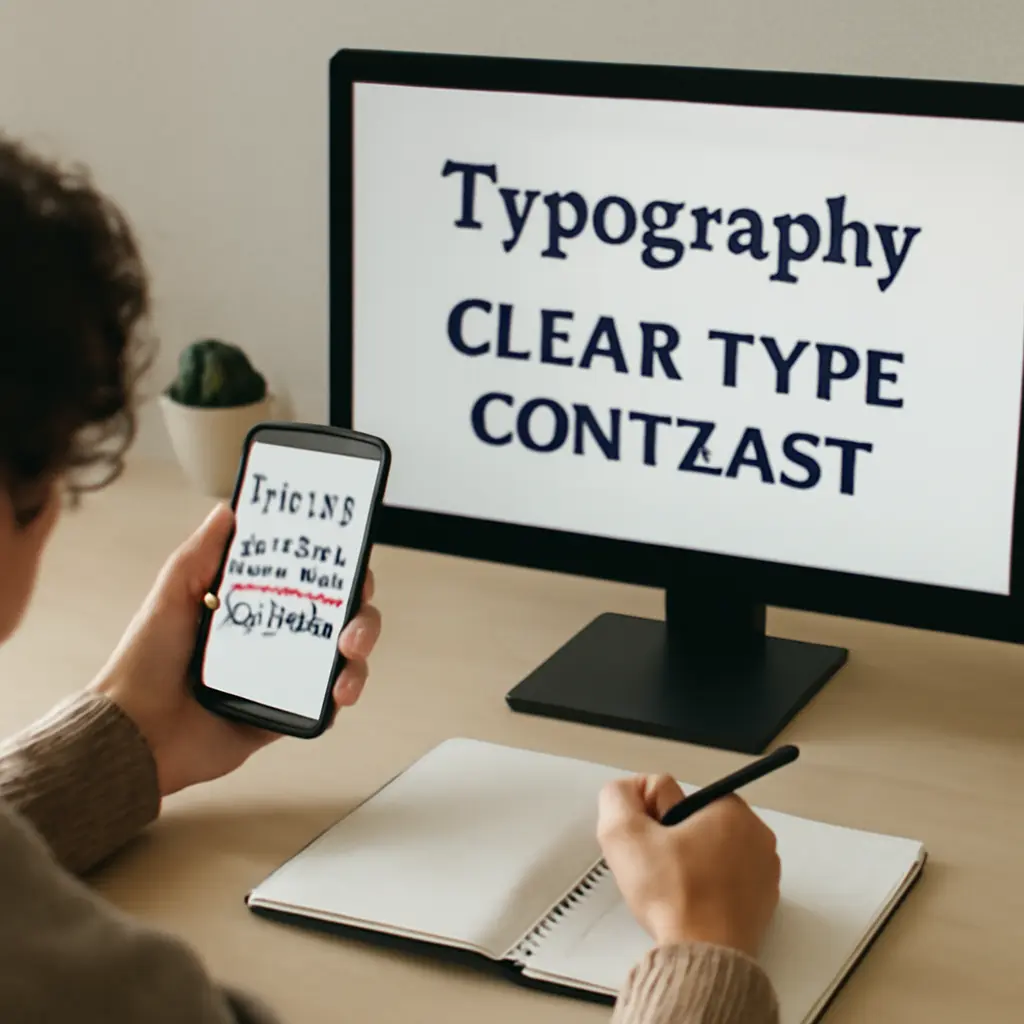
Use visual testing tools and real-device checks. A layout that looks fine on a simulated viewport may fail in the hands of users with different settings or zoom preferences, especially for dense content such as a detailed Casino overview rating.
Patterns and components that improve readability
Design components that rely on robust typographic rules: cards, comparison tables, and stacked content blocks. For pages featuring a Casino overview rating, components should communicate the rating, bonus, and key terms clearly. Reuse type tokens so that updates cascade predictably across the site.
Essential components
- Hero headline — large, constrained width for optimal line length
- Rating badge — consistent size and contrast for quick recognition
- Comparison table — fixed column behavior with responsive typography
- Legal text — higher contrast and slightly larger size for accessibility
For designers seeking layout inspiration, a concise reference such as Grid techniques can help structure content predictably. Avoid placing the link in the adjacent paragraph so the flow stays natural.
Quick examples and CSS snippets
Use CSS features like clamp(), fluid type with calc(), and container queries when available. For instance, apply clamp() to body text so a Casino overview rating description remains readable from 320px to 1440px without jumps in hierarchy.
- Define a base font-size at root (e.g., 16px).
- Apply a modular scale for headings (e.g., 1.125–1.333 ratio).
- Use line-height ratios that preserve rhythm across breakpoints.
- Test contrast and min-size for rating badges and small legal text.
Small code example (conceptual): use clamp() for body: font-size: clamp(0.95rem, 1vw + 0.2rem, 1.1rem);. The result: a readable Casino overview rating description at all widths.
Typography for data — tables, lists, and ratings
When presenting numeric data and comparative details in a Casino overview rating, typographic choices are critical. Use a monospace for aligned numbers only when it improves legibility; otherwise rely on proportional fonts with careful spacing. Keep headings bold but short to avoid wrapping issues on mobile.
| Element | Small screens | Desktop | Notes |
|---|---|---|---|
| Rating badge | 20–28px | 28–40px | Keep fixed padding to preserve recognizability on cards |
| Primary headline | 22–28px | 28–44px | Use modular scale; avoid long lines for title text |
| Body text | 15–17px | 16–18px | Prefer 1.4–1.6 line-height for readability |
Use the table above on review pages to standardize how a Casino overview rating appears across templates and breakpoints. Avoid putting an image immediately before this table to comply with layout rules.
Accessibility and legal considerations
Accessible typography is non-negotiable. Use sufficient contrast, scalable units, and focus styles. When publishing a Casino overview rating, ensure that important terms, restrictions, and odds are clearly readable to meet both legal and UX obligations.
Another good reading on improving visual clarity and micro-interactions is covered in the Design tricks guide. This internal link complements typographic work without interrupting the flow of adjacent paragraphs.
Testing, metrics, and iterative improvements
Measure reading performance and engagement on pages that include a Casino overview rating. Track scroll depth, time on page, and CTA click-throughs. A small typographic tweak such as increasing the body font by 5–10% can yield measurable lifts in comprehension and conversions, especially for comparison-heavy content.
Checklist before launch
- Verify font rendering across major OS and browsers
- Ensure responsive breakpoints preserve hierarchy
- Confirm accessible contrast for rating numbers and legal lines
- Run user tests on a sample Casino overview rating page
Conclusion — make typography a strategic asset
Responsive typography is more than aesthetics — it's a strategic instrument that improves trust, clarity, and conversion, especially on pages like a Casino overview rating where accuracy and readability matter. By implementing a modular scale, testing across devices, and standardizing components, designers at CPCreative can create review pages that perform and scale. Keep iterating, measure impact, and treat typography as part of your product's UX foundation.



To leave a comment, please sign up or log in
Log in / Sign up