

Quick Visual Tips to Improve UX for Designers
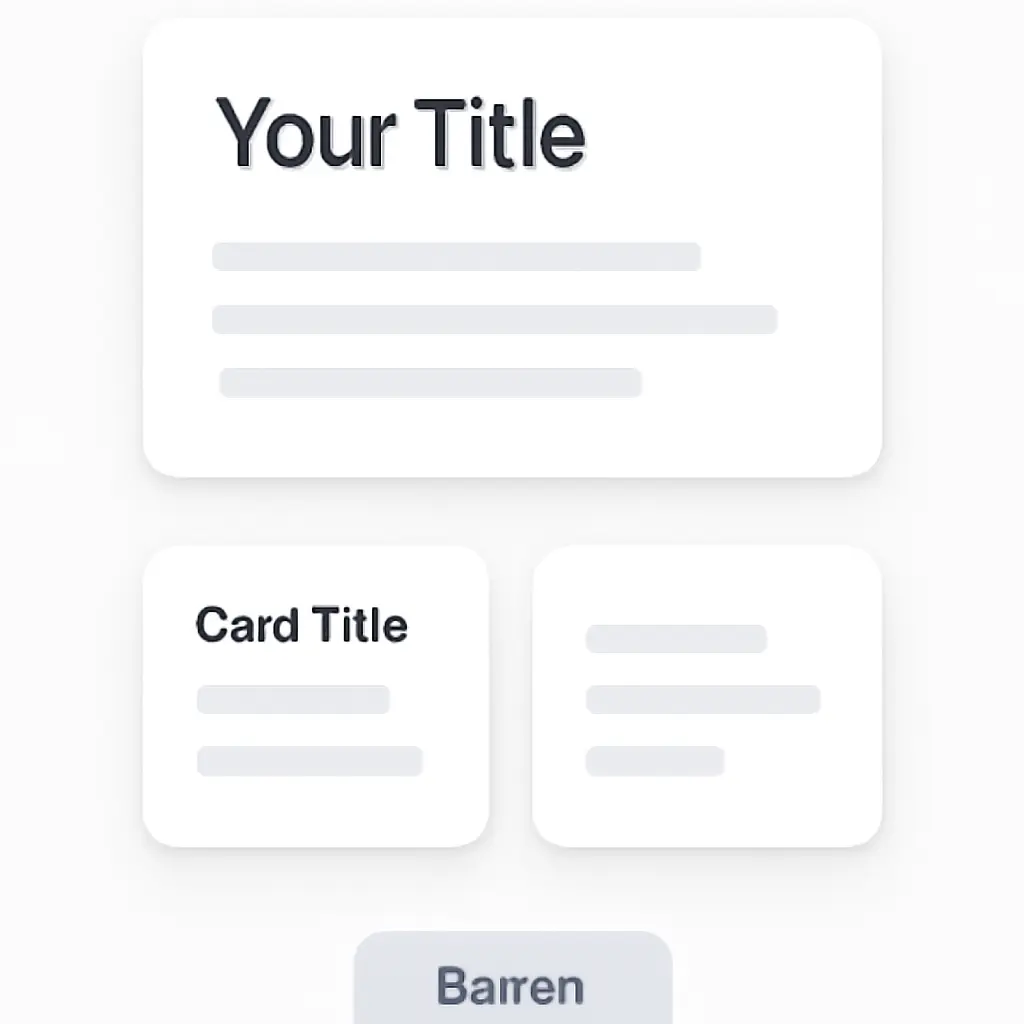
Introduction: If you design for web or mobile, small visual choices multiply into major changes in clarity, trust, and engagement — especially on pages like a Casino overview rating where users expect quick, trustworthy information. This article walks through 10 simple visual design tricks you can apply today to boost usability and make every rating and review feel more credible. These tricks focus on visual hierarchy, contrast, type, spacing, and microcopy to support decisions on a rating page.
Why tiny visual changes matter for ratings
When a user skims a Casino overview rating, they judge credibility in seconds. By applying straightforward principles — like clear contrast and consistent alignment — you can increase perceived trust and reduce confusion. Think of visual design as a layer that guides attention: the right highlight makes a rating stand out, the wrong color buries it. Below are practical techniques with examples you can implement immediately.
Overview: The 10 tricks (quick list)
- Use a dominant visual hierarchy
- Leverage contrast strategically
- Choose readable typography
- Use thoughtful spacing
- Create clear CTAs
- Use meaningful icons
- Limit color palette
- Optimize imagery and thumbnails
- Design microcopy for clarity
- Test and iterate with small variations
1. Use a dominant visual hierarchy
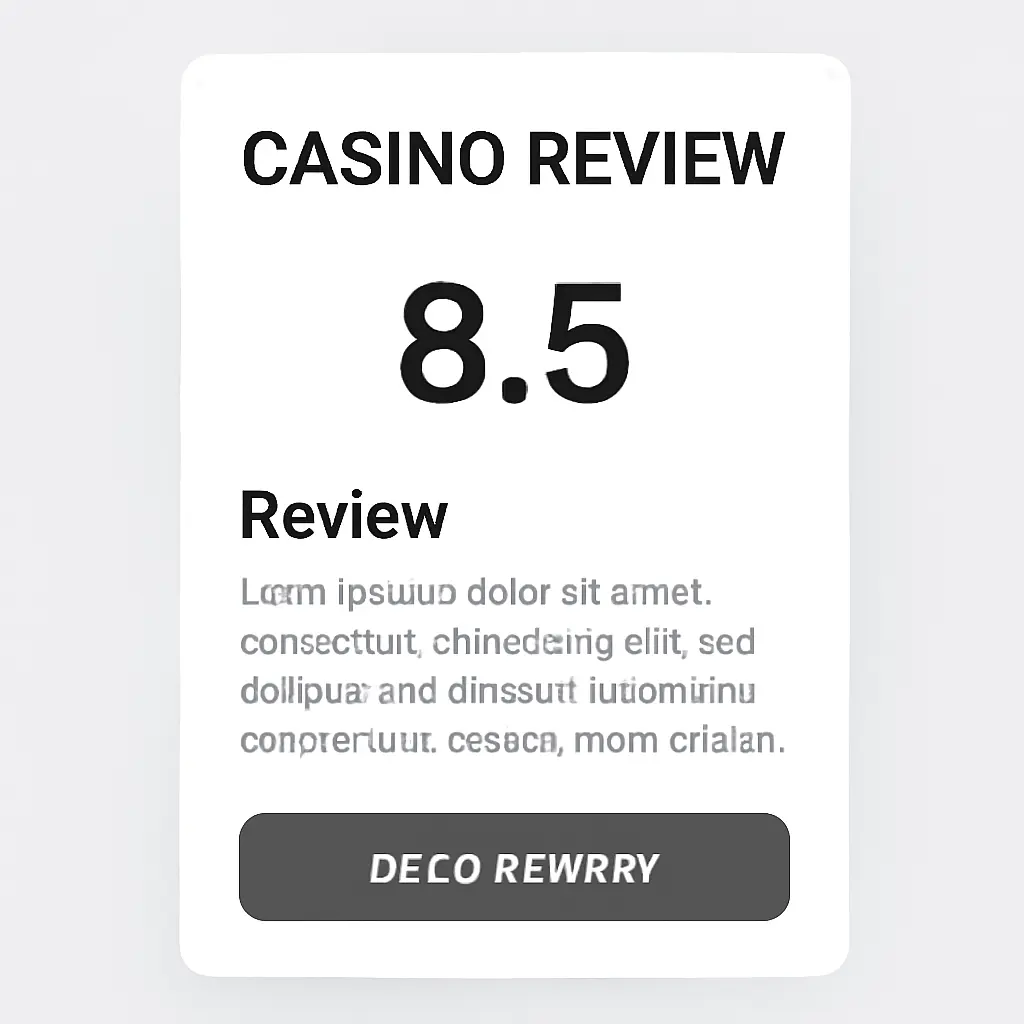
Start by making the most important element — such as the numeric value of a Casino overview rating — visually dominant. Use size, weight, and color to create contrast. A user should be able to find the rating at a glance, then drill into details. Emphasize the rating with a larger type size and a short supporting label like "Overall score".
2. Leverage contrast strategically
Contrast is a core accessibility and attention tool. High contrast between text and background improves legibility; subtle contrast between sections guides scanning. On a rating page, maintain strong contrast for the score and slightly lower contrast for secondary details such as review excerpts.
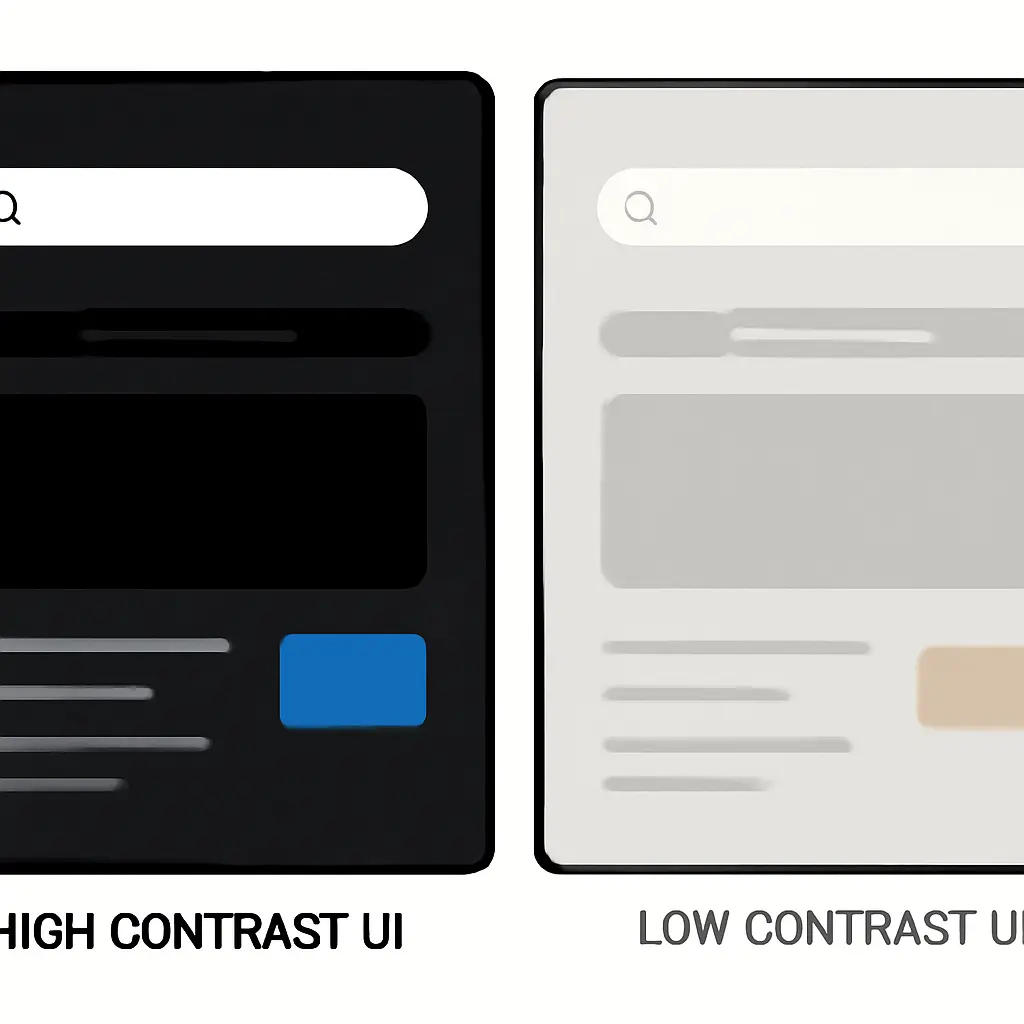
Note: Always test contrast ratios for accessibility. A clear contrast hierarchy helps boost trust for users checking a Casino overview rating.
3. Choose readable typography
Typography affects how quickly users process a Casino overview rating and related metadata. Use a clear, legible font for body text and reserve stronger weights for headings and numeric ratings. Keep line lengths comfortable and use type scale to differentiate elements without heavy borders.
4. Use thoughtful spacing
Whitespace is a visual affordance: it signals grouping and separation. Increase padding around the rating and summary to prevent visual clutter. Proper spacing makes the Casino overview rating feel authoritative and easier to scan.
5. Create clear CTAs
Calls-to-action near ratings should be unmistakable. Use color and microcopy to communicate action: "Read full review" or "Claim bonus" (for casino pages) must be visually distinct. Keep CTAs consistent across the site so users quickly recognize the next step after viewing a Casino overview rating.
6. Use meaningful icons
Icons speed comprehension when used sparingly. For example, a star or shield next to a Casino overview rating gives immediate context. Avoid decorative icons that compete with the rating; instead, use simple glyphs that reinforce the metric.
7. Limit the color palette
A restrained palette keeps attention on the rating and key actions. Use one accent color for primary CTAs and a secondary neutral for details. On a Casino overview rating page, you might use an accent to highlight the score and a muted range for supporting stats.
8. Optimize imagery and thumbnails
Thumbnails or hero images should support the rating, not distract. Use consistent crop, aspect ratio, and style to create trust. When users compare casinos by rating, consistent visuals reduce cognitive load and make comparisons feel fairer.
9. Design microcopy for clarity
Microcopy — labels, tooltips, and short descriptions — clarifies what the score means. For a Casino overview rating, a 1-line explanation like "Average of expert and user reviews" prevents misinterpretation. Keep it plain and concise to support quick decisions.
10. Test and iterate with small variations
Finally, use A/B testing to validate changes. Small adjustments to font weight, button color, or spacing can move metrics when they affect trust signals around a Casino overview rating. Iterate based on measured behavior, not gut feeling.
Common patterns and pitfalls
Designers often mistake aesthetics for clarity. A pretty layout that hides the rating won't help users. Prioritize legibility, clear hierarchy, and consistent patterns so the Casino overview rating is always discoverable. Avoid cluttered sidebars or too many competing CTAs.
Quick checklist for implementation
- Make the score prominent with size and contrast
- Use consistent colors for trust signals
- Keep microcopy short and clear
- Ensure buttons are recognizable actions
- Test small changes to measure impact
Measuring impact: sample metrics table
Track these indicators after applying visual tweaks to a Casino overview rating component:
| Metric | What to measure | Expected improvement |
|---|---|---|
| Click-through rate | CTA clicks from rating card | +5–15% |
| Time to first interaction | Seconds to click or tap | -0.5–1.5s |
| Bounce rate | Users leaving after brief view | -3–10% |
Practical examples
Apply these techniques directly to a casino or entertainment site: make the Casino overview rating visually dominant, use a shield icon for safety, and place a short trust sentence under the score. These adjustments help users decide faster and build confidence in the rating system.
Designers who work on review pages often ask whether minimalism alone will solve UX issues. Minimal design helps but can strip necessary context. For a balanced approach, read more about Minimalist design strategies that add usability without sacrificing personality. This helps maintain both visual clarity and trustworthy presentation of a Casino overview rating.
Accessibility and trust considerations
Accessibility increases trust — especially on pages where users evaluate risk, like a Casino overview rating. Use semantic HTML, ensure contrast ratios meet WCAG, and provide text alternatives for icons and images. These steps help all users interpret the rating accurately.
Final checklist before launch
- Audit contrast and fonts for readability
- Confirm spacing and grouping are consistent
- Label the rating with clear microcopy
- Ensure CTAs are visually distinct
- Run a short usability test focused on rating discovery
Conclusion: small changes, big gains
These 10 simple visual design tricks are practical, fast to implement, and targeted at improving how users perceive and interact with a Casino overview rating. By prioritizing hierarchy, contrast, type, spacing, and microcopy, designers can increase clarity, usability, and engagement. Start with one change — make the score prominent — and measure the impact. Iterative improvements compound quickly.



To leave a comment, please sign up or log in
Log in / Sign up