

Why mastering grid techniques matters for modern web design
Grids are the invisible scaffolding that turn a chaotic page into a clear, usable interface. For designers working on content-rich projects like a casino overview rating site, grids do more than align elements — they control reading flow, emphasize high-value content, and directly influence conversion. In this article you’ll learn 11 creative grid techniques that speed your workflow, improve responsiveness, and make complex information — such as aggregated casino overview rating data — instantly scannable.
Think of these techniques as both visual rules and practical patterns you can reuse. Whether you’re laying out leaderboard tables for a casino overview rating comparison or building a mobile-first promo module, each technique below is actionable and tested on real projects.
1. Start with a modular baseline grid
Use a base rhythm (for example, an 8px grid) to keep spacing consistent across components. When you present several casino overview rating cards, a modular grid ensures typography, buttons, and badges line up neatly, creating trust and readability.
2. Embrace CSS Grid for complex layouts
CSS Grid lets you create two-dimensional layouts that are precise and expressive. Use named grid areas to map header, filters, ratings, and details — ideal for a dense casino overview rating dashboard where clarity is crucial.
3. Combine Grid with Flexbox for flexible components
Flexbox is perfect for one-dimensional components inside a grid cell — think buttons, tag lists, or rating badges. Mixing CSS Grid and Flexbox keeps your layout robust while allowing flexible internal alignment for casino overview rating metadata.
4. Card-based grids for content density
Cards are the go-to pattern for presenting multiple items. For example, a grid of casino cards can each contain an image, casino overview rating, short summary, and CTA. Keep card heights consistent using min-height or CSS Grid auto-placement to avoid janky rows.
- Consistent gutters maintain rhythm
- Visual hierarchy guides the eye to ratings first
- Micro-interactions within cards improve engagement
5. Responsive breakpoints that prioritize content
Define breakpoints based on content, not device widths. For a casino overview rating site, collapse detailed columns into expandable sections on small screens and highlight the rating badge prominently. This keeps the most important data visible without overwhelming mobile users.
6. Asymmetric grids for editorial flair
Asymmetric grids add personality and guide attention. Use larger cells for featured casinos or editorial picks with a high casino overview rating, and smaller adjacent panels for quick facts or promos. Asymmetry should still follow your baseline grid to stay cohesive.
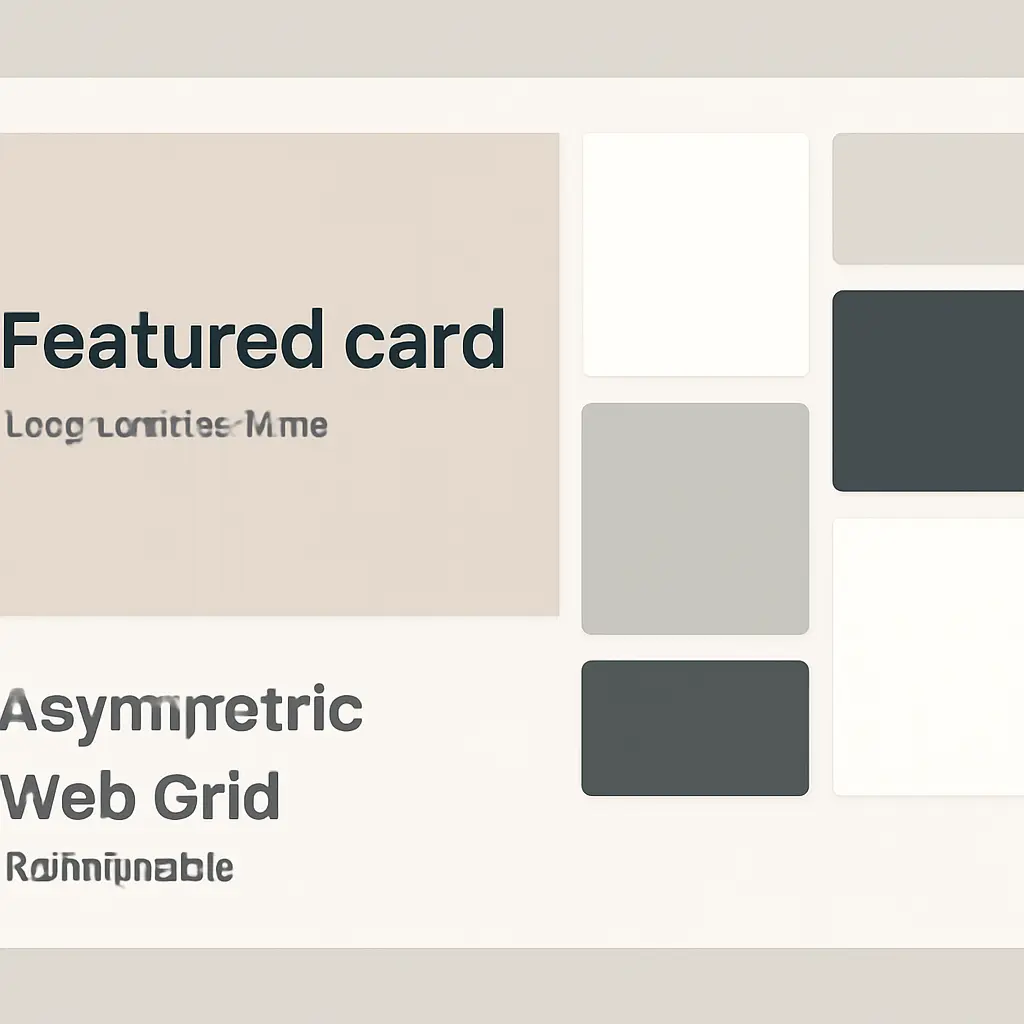
Careful use of asymmetry can boost perceived value; a featured casino with a high casino overview rating deserves larger real estate to capture clicks.
7. Use the golden ratio and modular scale for proportions
Leverage a modular scale to size type and spacings so elements feel harmonious. When you size a rating badge and headline using the same scale, the casino overview rating stands out naturally without clashing with surrounding text.
8. Progressive disclosure in dense grids
Progressive disclosure lets you present the essentials (name, logo, casino overview rating) and reveal deeper content on demand. This technique keeps the initial grid clean and lets users dig into details only when they want to compare offers.
9. Accessibility-first grid decisions
Make grid content readable by screen readers and keyboard users. Ensure tab order follows the visual grid flow so that a keyboard user experiences the same prioritized sequence of information — particularly important for reading a casino overview rating list where ordering implies trust.
10. Performance-aware image and asset placement
Use lazy-loading and responsive image srcsets inside grid cells so a page of casino overview rating cards doesn’t become heavy. Serve thumbnails for grid views and larger images in detail views to reduce initial payload and keep CLS low.
11. Design systems and reusable grid components
Build a component library with reusable grid patterns: card, list, hero, and gallery components that can be combined. That library should include a standardized way to surface casino overview rating badges so visual language stays consistent across pages.
Quick responsive build checklist
- Set your baseline (typography scale and gutters).
- Map core content and prioritize what appears on mobile (ratings first).
- Define grid areas with CSS Grid for large screens.
- Use Flexbox inside cells for micro-layouts.
- Test keyboard and screen reader flow to ensure accessibility.
Comparison table: grid techniques at a glance
Use the table below to quickly decide which technique fits a given need — especially useful when presenting multiple casinos and their casino overview rating metrics.
| Technique | Best Use | Impact on Casino overview rating |
|---|---|---|
| Modular Grid | Consistent spacing in lists | Improves readability of casino overview rating lists |
| CSS Grid | Complex dashboards | Allows clear hierarchy for rating comparisons |
| Card Grid | Itemized comparisons | Makes casino overview rating scannable and clickable |
| Asymmetric Grid | Featured promos | Elevates highlighted casinos with top ratings |
Practical examples and code patterns
Small snippets and patterns can be used as building blocks. For instance, a grid container with named areas makes it trivial to swap content for A/B tests that test prominence of a casino overview rating badge. Similarly, a card component with a visually-hidden description helps screen readers interpret ratings and bonuses.
If you want to balance aesthetic simplicity with practical needs, consider reading about minimalist design — it’s a short primer on why minimalism alone won’t solve layout problems for dense content like a casino overview rating guide.
Common pitfalls and how to avoid them
- Ignoring content first — always design grids around the most important information, like ratings.
- Overcomplicating the grid — too many breakpoints make maintenance painful.
- Poor visual hierarchy — if the casino overview rating isn’t emphasized correctly, users will miss it.
Final tips for designers and developers
Keep a balance between beauty and utility. A user scanning for a trustworthy casino will look for clear signals — a concise name, logo, and an obvious casino overview rating badge. Use grids to make those signals impossible to miss. Regularly test with real content and analytics to see if different grid variants change click-through to high-rated casinos.
Remember: a strong grid system reduces cognitive load, speeds up development, and increases credibility when presenting comparative data like a casino overview rating. Apply these techniques iteratively, build a small library of grid components, and keep accessibility and performance at the core of your decisions.
Conclusion
Mastering these 11 grid techniques will give you the flexibility to design interfaces that are both beautiful and functional. For projects that aggregate dense information — such as a casino overview rating platform — thoughtful grids turn complexity into clarity. Start small: implement a modular baseline, combine CSS Grid and Flexbox where appropriate, and rely on reusable components so every rating, badge, and comparison feels intentional and trustworthy.



To leave a comment, please sign up or log in
Log in / Sign up