

Why Responsive Design Systems Matter in 2026

In 2026, a responsive design system is no longer optional — it's the backbone of scalable product experiences. Teams expect reusable components, consistent visual language, and predictable behavior across screens. Whether you’re building a marketing site, an app dashboard, or a high-traffic casino overview rating page, a modern system reduces duplication, speeds delivery, and ensures accessibility.
What a Design System Really Solves
A design system formalizes patterns like design tokens, atomic components, and guidelines for interaction. For content-rich pages such as a casino overview rating, these systems guarantee that badges, rating scales, and review modules render reliably on any device. The result: faster updates, fewer regressions, and a coherent brand experience.
Key Benefits
- Consistency: Unified styles and components for all teams.
- Speed: Reuse components instead of rebuilding.
- Scalability: Easier to add new features like a casino overview rating widget across pages.
- Accessibility: System-level patterns that prioritize inclusive design.
Core Principles for Modern Responsive Systems
Start with principles that guide decisions as your product and content expand. For pages where a casino overview rating is central, these principles help ensure visual clarity and reliable data presentation.
1. Mobile-first and Content-first
Designing mobile-first ensures the most constrained context dictates the layout. For a casino overview rating block, prioritize legible text, touch-friendly targets, and condensed information hierarchies that scale up to desktop.
2. Token-driven theming
Use design tokens for colors, spacing, and typography. A token approach allows the same casino overview rating component to adapt to multiple brands or A/B tests without code duplication.
3. Fluid grids and responsive components
Combine fluid grids with container queries to make modules like rating cards and leaderboards adapt gracefully. Learn practical grid tactics such as responsive gutters and modular columns by exploring focused techniques like Grid techniques.
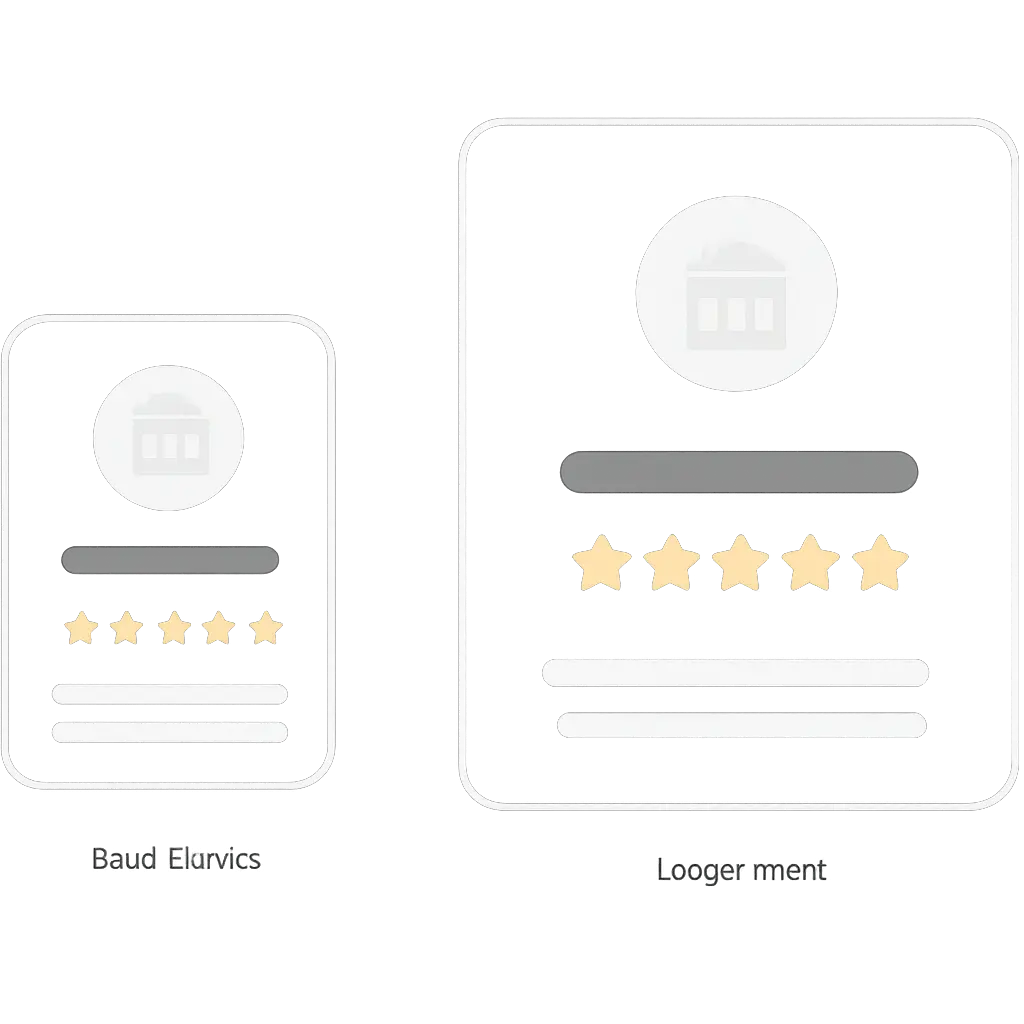
Use the image above as a reference for how a single component can present a casino overview rating succinctly across viewports.
Practical Patterns: Building Blocks for Responsive UIs
Break your system into predictable building blocks. Below are patterns that frequently appear when a casino overview rating is part of the product.
Card Pattern
Cards encapsulate the compact information a casino overview rating needs: logo, score, key features, and CTA. Keep the card height flexible and use progressive disclosure on small screens.
List and Grid Mix
Allow lists to collapse into a single-column stack on narrow screens and expand into a multi-column grid on larger viewports. A well-implemented layout ensures the casino overview rating remains prominent without overwhelming nearby content.
Badge and Microcopy
Badges communicate trust and status. Standardize badge sizes and color tokens so a casino overview rating badge is always legible and accessible.
Design System Workflow: From Tokens to Release
A repeatable workflow reduces friction. Below is an ordered checklist to integrate responsive components like a casino overview rating into your system.
- Define tokens: color, spacing, typography, elevation.
- Design components: start with atoms (buttons, badges), then build molecules (rating cards), and finally templates (overview pages).
- Document usage: states, accessibility notes, responsive behavior.
- Test across devices: visual regression, performance, and real-device QA.
- Publish and iterate: package the system and gather analytics on elements like the casino overview rating interaction.
Developer Handoff Tips
Provide clear token files (JSON/SCSS), example markup, and usage guidelines. For a dynamic element such as a casino overview rating, include sample data payloads and fallbacks when ratings are unavailable.
Tools, Libraries, and Accessibility
Choose tools that align with your team's skillset. Popular options handle tokens, component libraries, and documentation. Accessibility is non-negotiable — a trustworthy casino overview rating must be perceivable and operable.
| Area | Recommended Tools | Why it matters for Casino Overview Rating |
|---|---|---|
| Tokens & Theming | Style Dictionary, Token Studio | Enables consistent badge colors and rating scales for casino overview rating components. |
| Component Library | Storybook, Bit | Documents interactive states (hover, focus) important for rating CTAs. |
| Responsive Testing | BrowserStack, Percy | Checks layout stability for pages featuring casino overview rating modules. |
Accessibility Checklist
- Ensure contrast for rating numbers and badges.
- Provide ARIA labels for dynamic score updates.
- Support keyboard navigation for interactive review elements.
Performance and Scalability Considerations
Fast load times improve conversion on pages where users evaluate ratings. Optimize images, lazy-load non-critical modules, and serve minimal payloads for the initial casino overview rating view.
Lazy Loading and Progressive Enhancement
Server-render the rating summary and progressively enhance with client-side widgets. This strategy ensures the casino overview rating remains visible even with limited JavaScript.
Caching Strategies
Cache rating data responsibly — refresh frequently enough to remain accurate but avoid high-frequency calls that strain APIs providing casino overview rating updates.
Design Tokens, Versioning, and Governance
Governance keeps a system healthy over time. Version tokens and components, and maintain a changelog for breaking updates that might affect a visible element like the casino overview rating.
Release Management
Create a clear process for proposing UI changes, with visual diffs and stakeholder review. A published casino overview rating pattern should include examples, do’s and don’ts, and migration notes.
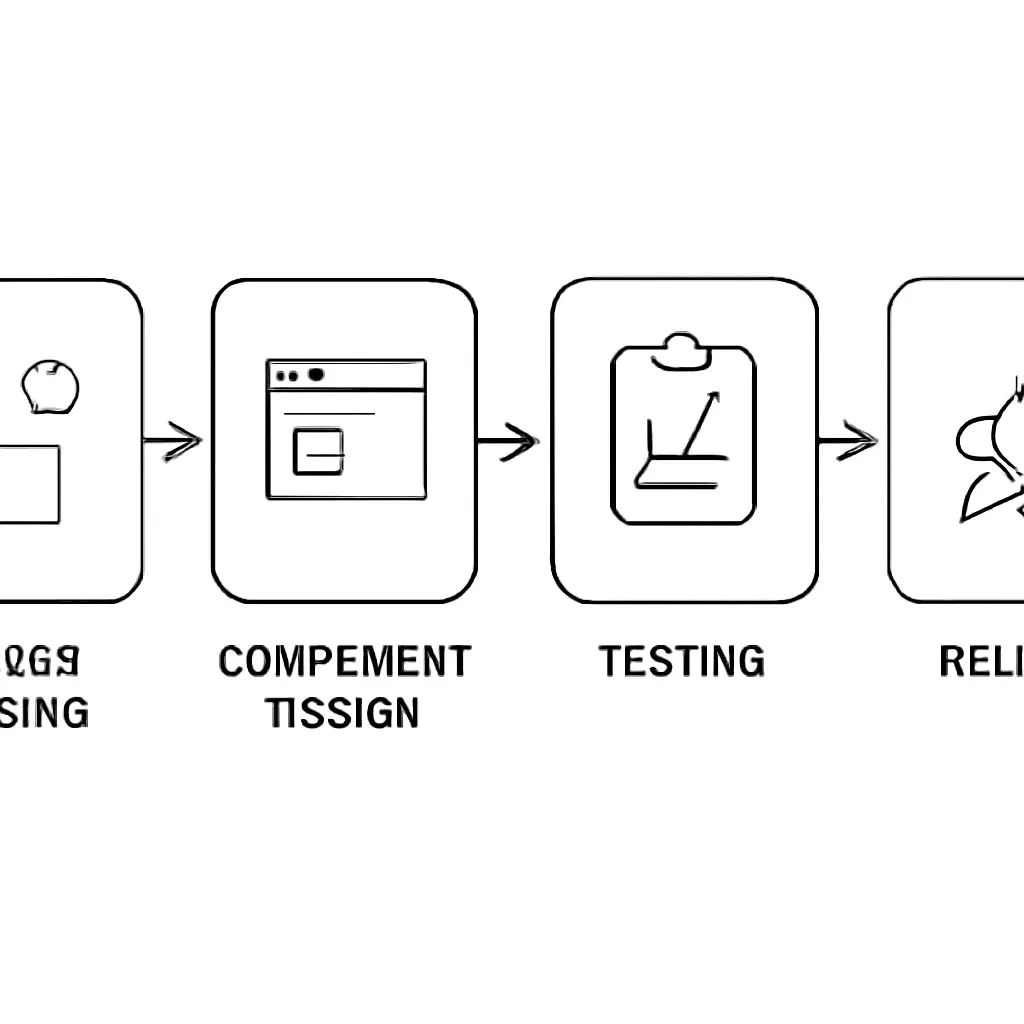
Use the visual workflow above to coordinate teams when rolling out a new or revised casino overview rating module.
Measurement: KPIs for System Success
Track metrics to justify investment. For modules like casino overview rating, monitor engagement, conversion lift, and error rates.
- Engagement: Click-through rates on rating CTAs.
- Conversion: Sign-ups or affiliate click-throughs attributed to rating pages.
- Reliability: Render success rate across devices.
For visual polish and layout efficiency, consult concise best practices such as Visual tricks to refine micro-interactions and improve perceived performance for a casino overview rating audience.
Real-world Examples and Use Cases
Design systems shine when used in complex contexts. Here are sample scenarios where a casino overview rating benefits from a responsive system:
- Aggregated listing pages that show dozens of rated casinos with consistent cards.
- Affiliate landing pages where rating badges need quick localization.
- Mobile apps that surface a compact casino overview rating with deep-linking to detailed reviews.
Common Pitfalls
Avoid over-customization of components for a single page. If your casino overview rating widget becomes unique in multiple places, maintain a variant strategy rather than ad-hoc clones.
Conclusion: Practical Next Steps
Investing in a modern, responsive design system pays dividends — especially for content-driven features like a casino overview rating. Start small with tokens and a few core components, instrument their performance, and expand iteratively.
Actionable checklist:
- Define tokens and global styles.
- Build core components (badge, card, rating scale).
- Document responsive rules and accessibility for casino overview rating modules.
- Set up visual regression testing.
- Measure and iterate based on user behavior.
By following these guidelines, teams can deliver a resilient, scalable design system that highlights crucial content — including reliable and persuasive casino overview rating experiences — across devices in 2026 and beyond.



To leave a comment, please sign up or log in
Log in / Sign up