
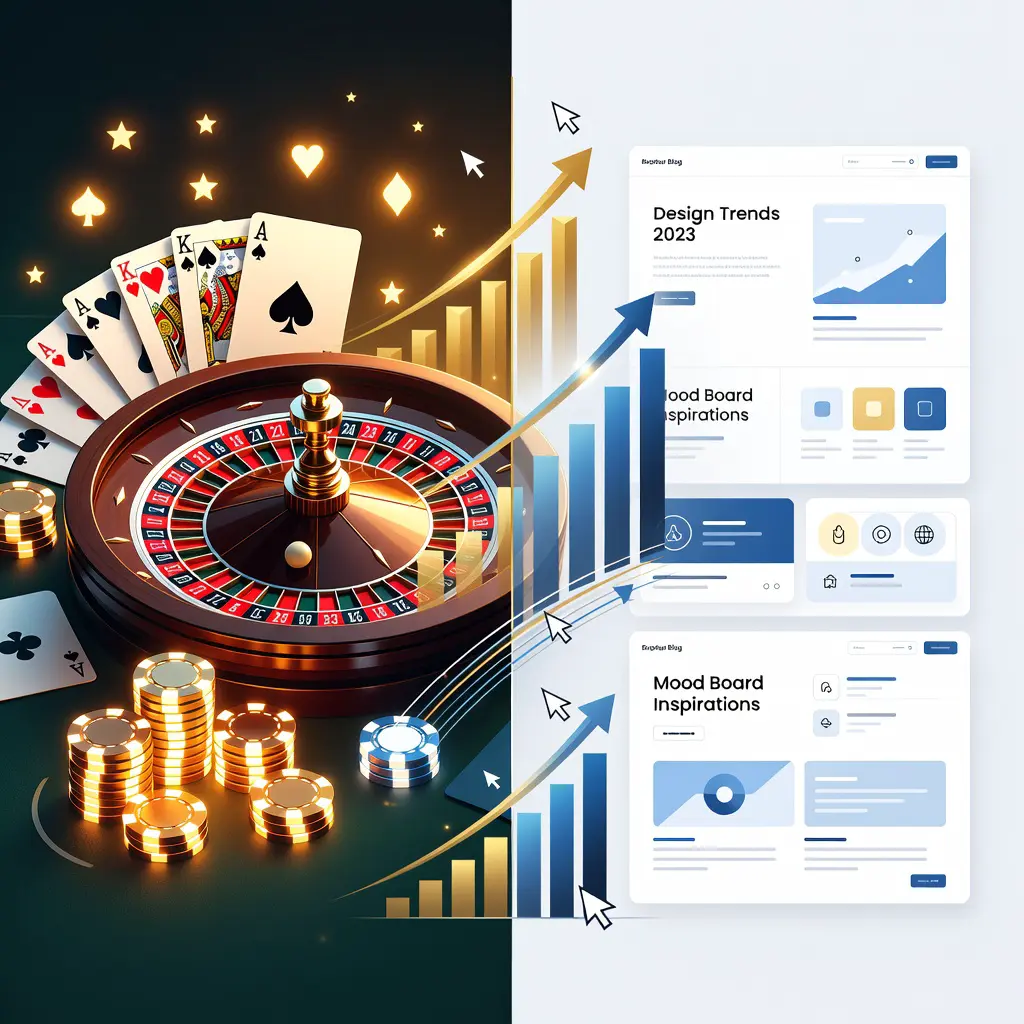
Understanding the Engagement Battle: Two Platforms, One Question
In the world of digital content strategy, few comparisons spark as much curiosity among professionals as the head-to-head analysis of highly interactive platforms versus knowledge-driven editorial sites. As a practitioner in the blog about design space, you've likely noticed that certain categories of websites command extraordinary engagement metrics — longer sessions, lower bounce rates, higher click-through rates. The comparison between a polished interactive entertainment platform and a well-crafted design blog reveals surprising truths about how visual design decisions shape audience behavior at every touchpoint.
This isn't just an academic exercise. For web designers and UX professionals, understanding what makes one type of platform stickier than another is mission-critical intelligence. The design principles that govern a user's decision to stay, scroll, click, and return are universal — even when the content categories feel worlds apart. Whether you're auditing your design blog layout or studying competitor strategies, this comparative analysis equips you with data-driven insight and actionable takeaways drawn from two radically different digital environments. If you want to zjistěte více about what drives these engagement differences, the data paints a surprisingly nuanced picture.
Defining Engagement: The Metrics That Actually Matter
Before diving into comparisons, it's essential to establish a shared vocabulary for engagement metrics. Not all engagement is created equal, and different platforms optimize for different signals. A casino interface might prioritize session depth — how many games a visitor interacts with in a single visit — while a design blog might focus on content consumption breadth, measured by pages per session or the completion rate of long-form articles.
The three primary engagement dimensions we'll examine are clicks and CTR, time-on-site and dwell time, and return visit rate. Each tells a different story about audience loyalty and content effectiveness. Understanding how and why each platform excels — or struggles — in these areas gives design professionals a powerful analytical lens they can apply to their own publishing strategy.
Time-on-Site: The Stickiness Factor
Time-on-site is arguably the most direct proxy for genuine interest. A visitor who spends eight minutes on a page has engaged far more meaningfully than one who bounces in under thirty seconds. Casino platforms typically report some of the highest average session durations in the digital landscape, often exceeding twenty minutes per visit. This is by design — literally. Every visual element, from the placement of action buttons to the rhythm of micro-animations, is engineered to encourage extended engagement through deliberate interface psychology.
Design blogs occupy a different but still impressive position. Long-form, visually rich editorial content naturally invites deeper reading. Articles that combine high-quality imagery, structured typographic hierarchies, and embedded interactive elements can hold a reader's attention for five to twelve minutes — a remarkable figure in an era of declining attention spans. Applying the right visual design tricks can meaningfully extend this engagement window for editorial content.
Click-Through Rate and User Intent
CTR is shaped heavily by user intent at the point of entry. Visitors arriving at a casino site typically come with high transactional or entertainment intent — they know what they want to do, and they click quickly and deliberately. This produces impressive raw CTR figures on primary calls-to-action. Design blog readers, however, arrive with exploratory or educational intent, which means their clicking behavior is more distributed across the page. Internal navigation, related articles, and embedded resource links all benefit from this more open, discovery-oriented mindset.
Head-to-Head Metric Comparison
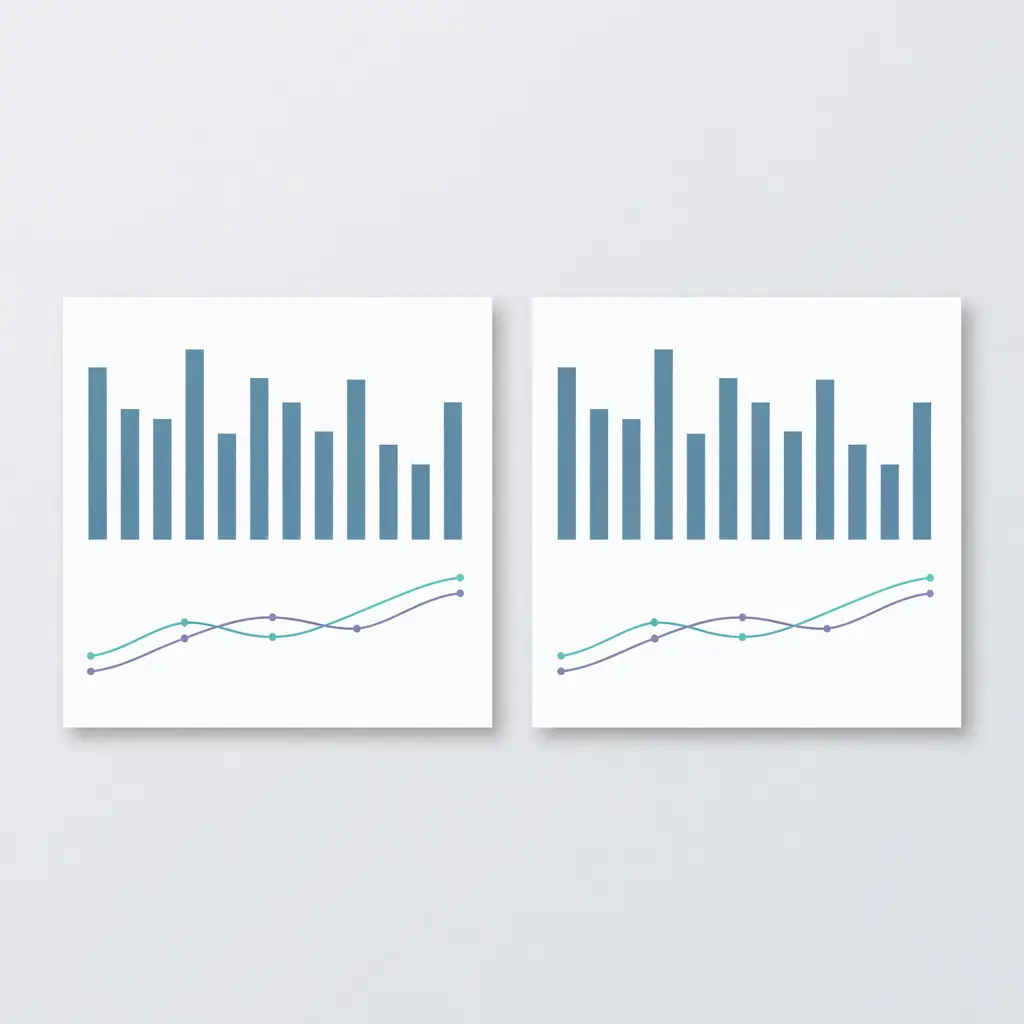
The following table provides a synthesized overview of typical engagement benchmarks observed across both platform categories. These figures reflect aggregated industry data and should be interpreted as directional indicators rather than absolute thresholds.
| Engagement Metric | Online Casino Platform | Design Blog | Advantage |
|---|---|---|---|
| Average Session Duration | 18–25 minutes | 4–10 minutes | Casino |
| Pages per Session | 2.5–4.0 | 3.5–6.0 | Design Blog |
| Bounce Rate | 35–50% | 55–70% | Casino |
| Return Visitor Rate | 60–75% | 25–40% | Casino |
| Social Share Rate | 1–3% | 8–15% | Design Blog |
| Newsletter Sign-Up Rate | 0.5–2% | 3–8% | Design Blog |
| Comment / Community Activity | Low | Moderate to High | Design Blog |
What immediately stands out is that neither platform dominates across every dimension. Casino sites win decisively on raw session time and return visitor frequency, while design blogs demonstrate superior performance in content virality, community building, and email conversion. This asymmetry is not accidental — it reflects the fundamentally different engagement contracts each platform makes with its audience. Any well-optimized nové české kasino invests heavily in retention mechanics and behavioral reinforcement loops, while design blogs invest in authority building and long-term audience cultivation.
The Visual Design Factor: Why Aesthetics Shape Every Click
Here is where the analysis becomes most relevant for practitioners of the craft. Both casino interfaces and design blogs are products of deliberate visual communication decisions. The difference lies in the objectives those decisions serve and the psychological levers they pull. Color psychology, typographic hierarchy, whitespace distribution, and interactive feedback design all function as engagement amplifiers — or suppressors — depending on how thoughtfully they are applied and how consistently they serve the underlying user experience goal.
Casino Interface Design: Engineered for Immersion
Modern casino interfaces are products of extraordinary UX investment. They deploy a specific set of visual engagement tactics that any design professional would recognize — and many would admire for their technical execution. Understanding these tactics is not about endorsing them uncritically but about extracting the transferable design intelligence they contain.
- High-contrast color schemes that direct the eye toward primary action zones while maintaining visual coherence across complex, information-dense layouts
- Micro-animation feedback that provides immediate, satisfying responses to every user interaction, reinforcing positive engagement loops at the neurological level
- Progressive disclosure mechanics that reveal content incrementally, sustaining curiosity and preventing cognitive overload during first-time visits
- Scarcity and urgency signals such as countdown timers and limited-time offers that leverage loss aversion to drive immediate, decisive action
- Consistent visual language applied across the entire interface, reducing learning friction and building subconscious trust through familiarity over repeat visits
- Mobile-first responsive layouts that preserve full interaction quality across every device, screen resolution, and input modality
- Gamified progress indicators including loyalty point bars and achievement systems that transform passive browsing into an active, participatory experience
These principles don't exist only in casino contexts. Any digital platform — including design blogs — can leverage the same visual engagement mechanics to extend sessions and drive return visits. The key is adapting them to fit the editorial voice and audience expectations of a knowledge-driven format. How color psychology functions as an engagement tool translates almost directly from casino UX to editorial design when applied with strategic intention.
Design Blog Visual Strategy: Authority Through Aesthetics
The most successful design blogs in 2026 have evolved far beyond simple editorial layouts. They function as curated visual experiences that communicate expertise at a glance. The visual design choices that distinguish high-performing design blogs from mediocre ones include the deliberate use of consistent brand typography, restrained color palettes, and high-production imagery that adds genuine informational value rather than mere decoration.
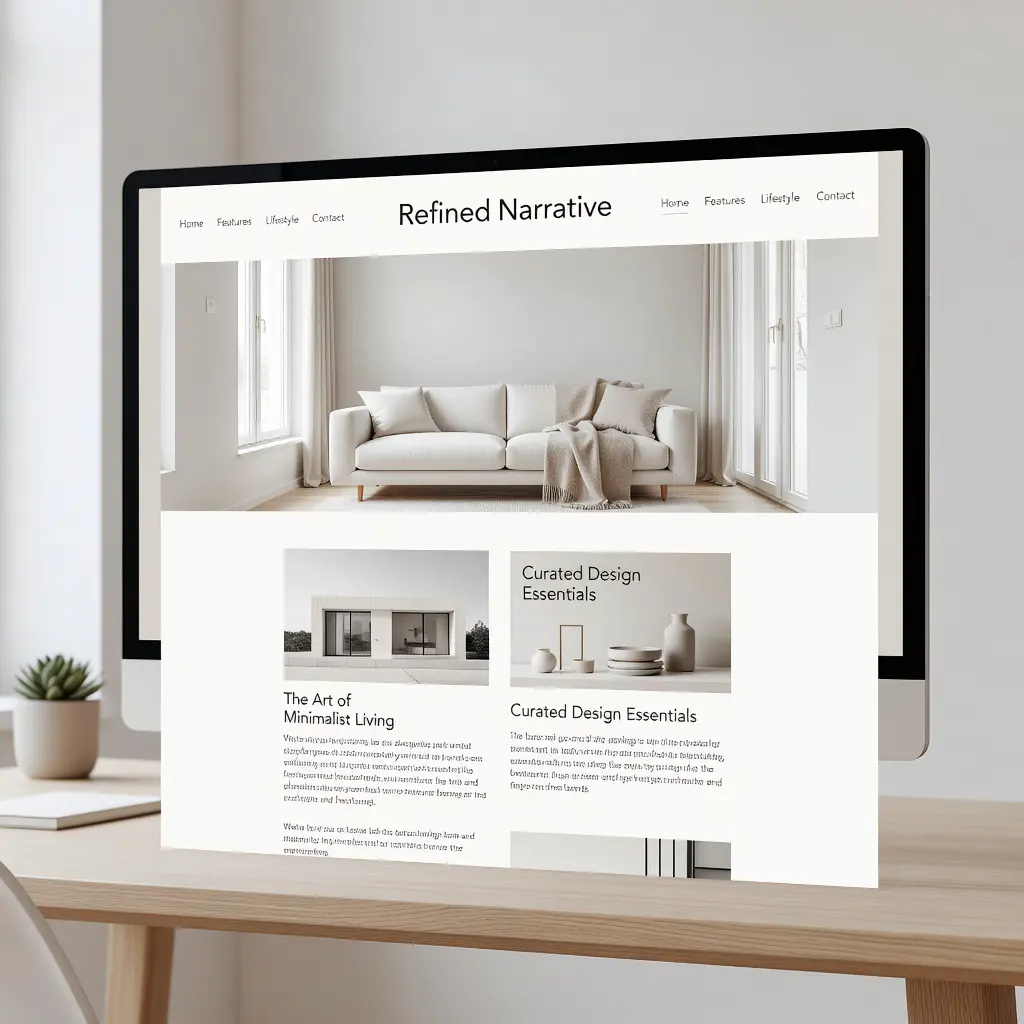
What separates engagement-optimized design blogs from their underperforming counterparts is the quality of visual storytelling. Articles that lead with strong, contextually relevant imagery and use structured visual breaks — pull quotes, data visualizations, illustrative diagrams — consistently outperform text-dense alternatives in both dwell time and social sharing metrics. To see what this looks like in practice, https://czkasino.cz/ to explore live examples of high-engagement editorial layouts that have been analyzed for their UX performance characteristics.
Content Strategy and Audience Loyalty: The Long Game
Beyond the visual layer, content architecture decisions profoundly shape engagement outcomes for both platform types. This is the dimension where design blogs have the most untapped potential — and where strategic lessons from casino UX are most directly applicable to editorial publishers who want to grow and retain their audiences systematically.
Building and Retaining a Loyal Audience
Casino platforms achieve their impressive return visitor rates through a combination of personalization mechanics and reward reinforcement systems. Loyal users receive tailored offers, the platform remembers their preferences, and they experience a sense of earned status through loyalty programs. The design lesson here is powerful: audiences return when they feel recognized and rewarded. For design blogs, this translates into personalized content recommendations, thoughtful email newsletter design, and community features that give regular readers a sense of belonging and earned status within the audience ecosystem.
The data consistently shows that design blogs with strong community components — active comment sections, reader showcase features, live design critiques — outperform purely editorial formats on every loyalty metric. When readers feel they are participants rather than passive consumers, engagement depth increases dramatically and measurably. This directly mirrors the casino model of transforming visitors into active players rather than spectators who arrive, observe, and leave.
The Emotional Design Dimension
One of the most underappreciated drivers of engagement across both platform types is emotional design — the deliberate crafting of experiences that evoke specific, targeted emotional responses. Casino interfaces are masterclasses in positive emotional reinforcement: every win, however small, is celebrated with visual and audio feedback that produces genuine excitement and motivates continued participation. Design blogs can and should cultivate their own emotional engagement loops. Articles that solve a real professional problem, that challenge a widely held assumption, or that reveal genuinely surprising comparative data produce strong emotional responses that drive sharing and return visits in ways that purely informational content cannot replicate.
Practical Lessons: What Design Bloggers Can Apply Today

The comparison between casino UX and design blog strategy isn't just intellectually interesting — it's immediately actionable. Based on the data and design principles explored throughout this article, here is a prioritized framework for design bloggers looking to close the engagement gap with more retention-optimized platform categories.
- Audit your visual hierarchy first. Before experimenting with content strategy, ensure your blog's visual structure guides readers naturally from the entry point through to key content and calls-to-action. A poorly organized layout will undermine even the most compelling content strategy.
- Introduce micro-interaction feedback. Borrowed directly from casino UX, subtle hover states, animated transitions on navigation elements, and reading progress indicators on long-form articles significantly improve perceived interactivity and encourage deeper content exploration.
- Optimize for session depth, not traffic volume alone. Focus on internal linking strategy, contextually relevant related-article recommendations, and content series formats that create natural reading paths through your archive and surface older high-value content.
- Build a reward mechanic for return visitors. This doesn't require complex gamification infrastructure. A consistent, high-value email newsletter, exclusive content previews for registered readers, or a curated monthly resource round-up can meaningfully improve return visit rates over a six-month horizon.
- Invest in your emotional narrative arc. The articles that drive the highest engagement don't just inform — they take readers on a structured journey. Build in surprise elements, challenge existing assumptions, and resolve tension through concrete, applicable insight that readers can deploy immediately in their work.
- Test your mobile experience rigorously. Given that over 60% of design blog traffic now arrives via mobile devices, any friction in the mobile reading experience will suppress engagement numbers regardless of content quality or editorial depth.
- Deploy data tables and structured visual comparisons. Like the comparison table presented earlier in this article, well-designed comparative content dramatically increases perceived value, dwell time, and social sharing propensity. Readers who discover actionable insight in a clear data table are far more likely to bookmark, return, and share.
These recommendations are not speculative. They are drawn from the same design intelligence that powers the most engaging digital platforms across the web — including the entertainment platforms that consistently outperform nearly every other content category on raw engagement duration. The design principles are fully transferable; only the application context and audience expectations change.
The Surprising Truth About What Engagement Really Means
After examining the data from multiple angles, a nuanced picture emerges. Casino platforms win the engagement contest on duration and return frequency — metrics that reflect their sophisticated retention engineering and the inherently compelling nature of reward-based entertainment formats. But they consistently lose on community depth, content virality, and the kind of meaningful audience relationship that creates durable brand value. A reader who has been part of a design blog community for three years — commenting, sharing, contributing work for critique — represents a form of engagement that no session-duration figure can fully capture or replicate.
Design blogs, at their best, cultivate something entertainment platforms fundamentally cannot: genuine intellectual loyalty. Readers who trust a design blog as an authoritative source return not because of retention mechanics or reward loops but because the content consistently makes them measurably better at their craft. This is a qualitatively different engagement relationship, and in an era of increasing content commoditization, it represents the more durable and defensible competitive advantage for publishers who are building for the long term.
Conclusion: Bridging the Gap Between Entertainment and Editorial
The comparison between an online casino platform and a design blog is ultimately a story about two different but equally sophisticated approaches to audience engagement. Casino platforms achieve remarkable session depth and retention rates through expertly engineered visual feedback systems, behavioral reinforcement loops, and relentless iterative UX optimization. Design blogs build something different but equally valuable: communities of loyal, intellectually engaged readers who return because the content genuinely advances their expertise and creative practice.
For practitioners in the design space, the key takeaways are clear and actionable. Visual design decisions directly drive engagement outcomes — this is true whether you're designing an interactive entertainment interface or an editorial layout for a professional audience. The mechanics of emotional reinforcement, visual hierarchy, progressive content disclosure, and micro-interaction feedback work universally because they align with how human attention and motivation actually function. Casino UX has simply operationalized these principles at scale and with extraordinary precision.
The opportunity for design blogs is to selectively adopt the engagement engineering mindset of high-performance entertainment platforms while preserving the intellectual depth and community trust that define the best editorial work. Invest in micro-interactions, optimize your visual hierarchy relentlessly, build return-visit mechanics that reward loyalty, and never stop refining the mobile reading experience. The engagement gap between these two platform types is narrower than most design bloggers realize — and with the right applied strategies, it is entirely closeable. The data doesn't lie: great design remains the most powerful engagement tool available to any digital platform, regardless of content category or audience segment.



Comments
Interesting how the article points out that design blogs can borrow engagement tactics from casinos—never thought micro-interactions and progress bars would matter so much outside of gaming.
Interesting how the article highlights micro-interactions—never realized how much a subtle hover effect could actually keep me reading longer on a design blog.
I never realized how much micro-interactions and color psychology could influence time-on-site—makes me want to rethink how I structure my own blog posts.
The table saying casinos get 60–75% return visitors feels wild to me — is that counting logged-in regulars only, or all traffic including first-timers from ads? I’d love to know what data source that range came from.
I’m curious about the “micro-interaction feedback” tip for blogs—what’s a simple example that actually boosts session depth without making the page feel gimmicky?