

Why Layouts Are the Silent Conversion Drivers
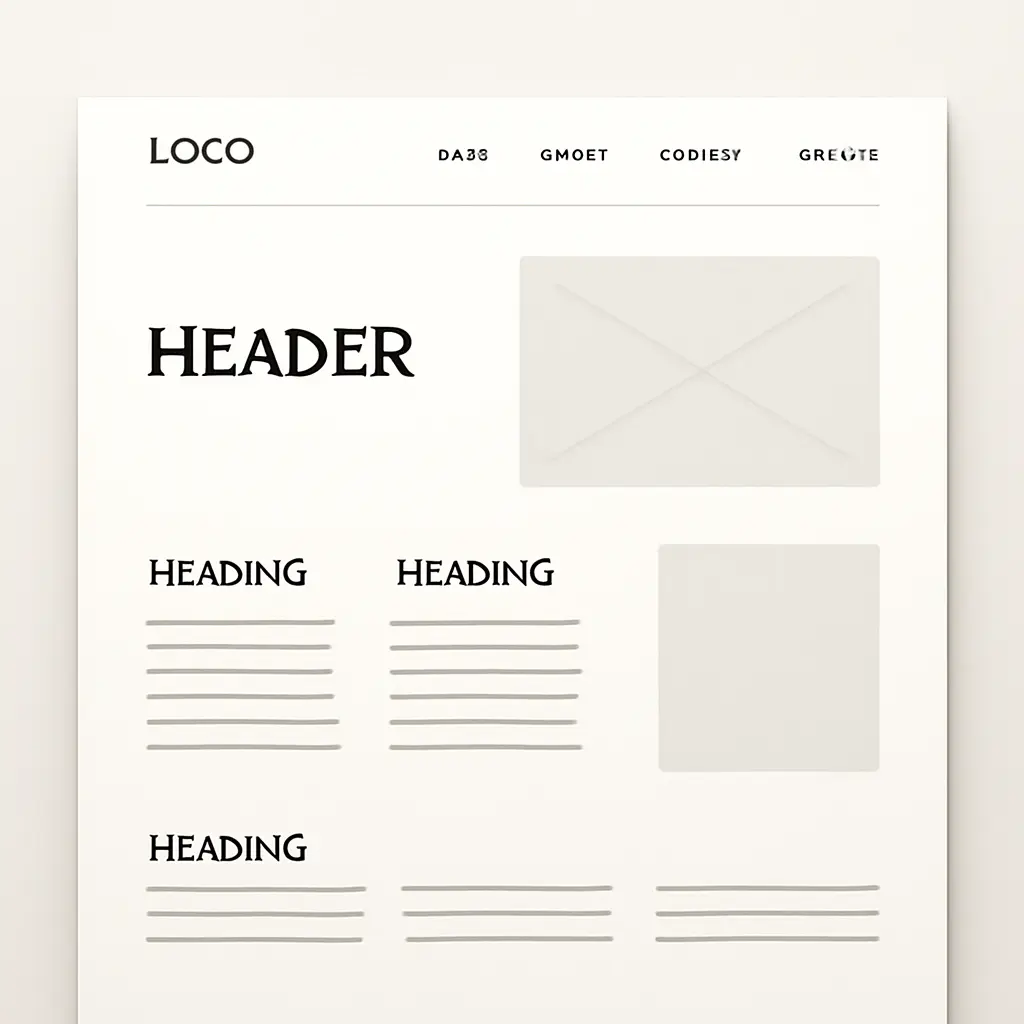
Visual hierarchy is the first secret most designers treat as obvious, but it’s also the most powerful. A layout that guides the eye and reduces cognitive load can lift usability and conversions dramatically — and when you're dealing with a highly competitive space like casino overview rating pages, that difference becomes measurable revenue. In this article we'll pull back the curtain on practical layout strategies that experts often keep for high-stakes projects, and we'll show how to apply them to content-driven sites and to pages where a casino overview rating needs to be both trustworthy and scannable.
Introduction: What Experts Won’t Say Out Loud
Design experts will preach about grids and white space, but they rarely admit how they compromise between aesthetics and performance. The truth: the best layouts are the ones that are intentionally imperfect to support real user tasks. For example, a landing page that highlights a casino overview rating must balance trust signals, quick comparisons, and clear calls to action without overwhelming the user. That requires strategy beyond a one-size-fits-all grid.
Core Principles: Layout Secrets That Work
Chunking content, prioritizing focus zones, and using micro-animations only when they serve comprehension are small interventions that produce disproportionate gains. Below are principles designers often use behind closed doors:
- Progressive disclosure: show the essentials first (rating, trust marks) and reveal details on demand.
- F-pattern & Z-pattern: use reading patterns to place key elements like a casino overview rating and action buttons where eyes naturally fall.
- Contrast hierarchy: subtle contrasts to emphasize the most important metric without shouting.
- Intentional whitespace: spacing is a tool for emphasis, not wasted space.
Designing for Casino Overview Rating Pages
When a page's purpose is to communicate a casino overview rating, every part of the layout serves a signal: credibility, speed, and decision facilitation. That means the header, summary block, comparison matrix, and trust badges must form a visual narrative that answers the user's main question within seconds. Use short headlines, a prominent rating summary, and a clear path to the deeper review.
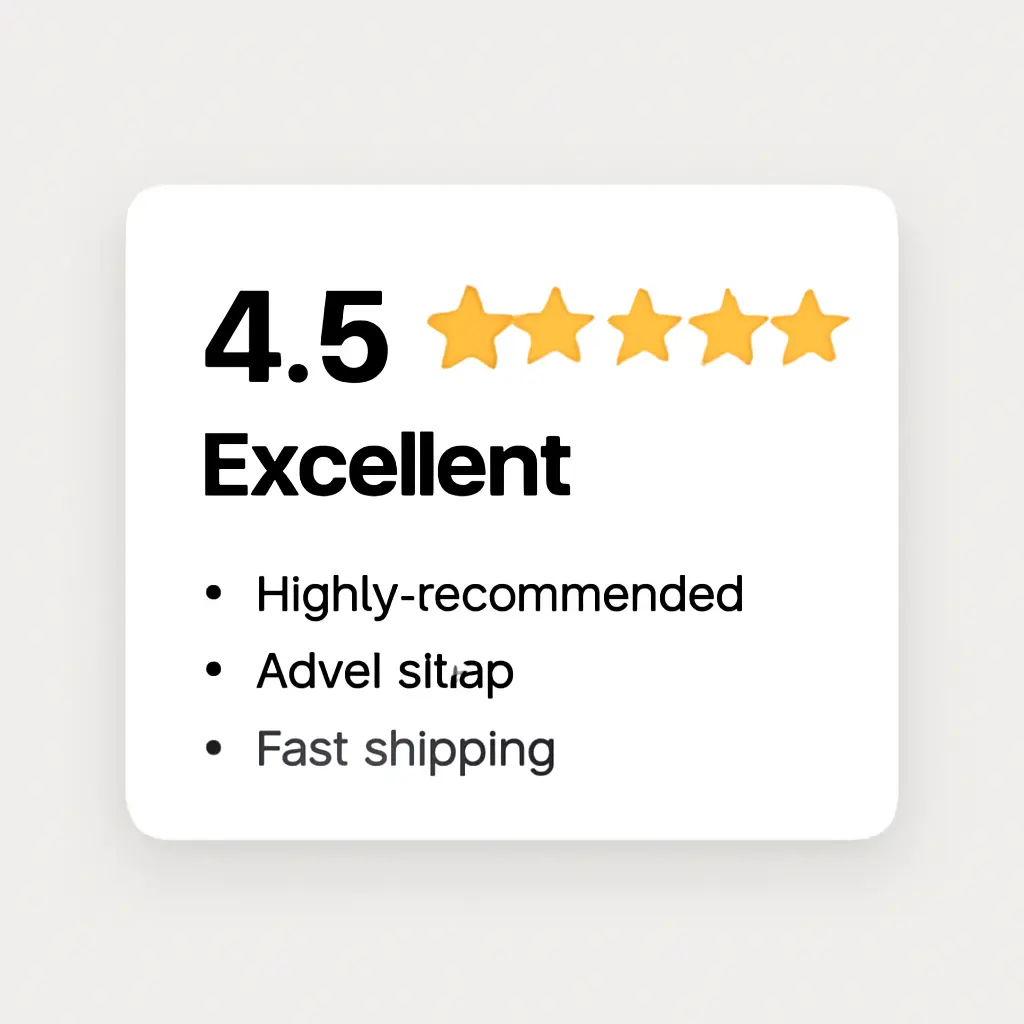
Place the casino overview rating near the top, but avoid overemphasizing it at the expense of context. Users need both a quick signal and a way to explore criteria — a two-tiered approach that pairs a snapshot with a collapsible detail area reduces bounce rates and increases trust.
Layout Patterns That Boost Usability
Here are tested patterns that translate across industries and are especially relevant for rating-focused pages:
- Snapshot + Drilldown: quick number and short bullets at the top, expandable sections below.
- Side-by-side comparisons: cards or tables for competitor comparison when users evaluate multiple casinos.
- Progressive trust stacking: ratings, expert quote, real-user testimonials in descending prominence.
These patterns help users compare options quickly — an essential behavior for anyone consulting a casino overview rating. Use modular components so editorial teams can rearrange content without redesigning the page.
Technical Tips: Performance and Accessibility
Beyond visuals, layout strategy must consider performance and accessibility. A fast page with semantic structure both improves SEO and supports user trust on sensitive topics like gambling. Optimize images, pre-load critical CSS, and use ARIA roles where needed. Also, ensure the casino overview rating is machine-readable: include structured data for ratings to help search engines surface your page correctly.
Designing the Comparison Table
Comparison tables are a natural fit for rating content. Below is a simple example you can use as a template for casino comparisons. It highlights how layout choices make information scannable while keeping the casino overview rating front and center.
| Element | Design Goal | Impact on Rating Page |
|---|---|---|
| Hero Rating Block | Immediate trust & clarity | Reduces bounce; increases click-through on top picks |
| Comparison Matrix | Quick side-by-side evaluation | Makes ratings actionable; aids decision |
| Detail Accordion | Drilldown for skeptical users | Keeps page tidy and readable |
Microcopy, Labels, and Trust Signals
Microcopy is a secret weapon. Short labels like “Verified Bonus” or “RTP Checked” placed near a casino overview rating increase perceived legitimacy. Use plain language and avoid legalese when possible. If a rating changes, show a timestamp — users trust fresh reviews.
Real-World Checklist: Quick Implementation Steps
Use this checklist as a practical map for redesigning rating pages. Small fixes can create big lifts in usability and conversion.
- Top summary with numeric rating and 2–3 bullets
- Comparison table with clear headings and CTA column
- Expandable details for methodology and terms
- Trust badges near the rating block
- Mobile-first breakpoints to prioritize stacked content
How to Test Layout Choices
Quantitative and qualitative testing give you a true read on layout effectiveness. Run A/B tests on the hero block placement, contrast levels for CTAs, and whether the casino overview rating performs better as a numeric badge or a star cluster. Combine analytics with short user interviews to catch friction points.
And when you want to challenge the “less is more” notion, consider reading about how minimalism can sometimes undermine conversion by hiding personality and CTAs — a useful companion perspective is available in our piece on minimalist design, which discusses when to push back against pure minimalism.
Common Pitfalls and Warnings
Even experienced teams fall into layout traps. Watch out for these common issues:
- Over-emphasizing aesthetics at the cost of clarity — beautiful pages that confuse users lose conversions.
- Hiding methodology: if your casino overview rating lacks transparent criteria, users will distrust it.
- Poor mobile stacking: key elements must not be buried on small screens.
Metrics to Track
To quantify the impact of layout changes on a casino overview rating page, monitor:
- Time to first interaction (how quickly users engage with rating or CTA)
- Click-through rate from rating to full review
- Bounce rate and scroll depth for rating sections
- Conversion lift for any call-to-action tied to rated items
Practical Examples and Micro-optimizations
Here are micro-optimizations you can implement in a day:
- Swap CTA color for better contrast against the rating block.
- Move the rating summary above the hero image for instant credibility.
- Add a one-line methodology under the rating to preempt skepticism.
Conclusion: Apply These Secrets Ethically
Layouts are persuasion tools — use them responsibly. When a casino overview rating is presented with clarity, transparency, and a user-first layout, it helps readers make safer, faster decisions. The truly expert designers are those who optimize for human needs first and conversion second; the result is sustainable trust and better long-term engagement. Implement the patterns above, run focused tests, and iterate with real user feedback to turn a good layout into a powerful decision-making tool.



To leave a comment, please sign up or log in
Log in / Sign up