
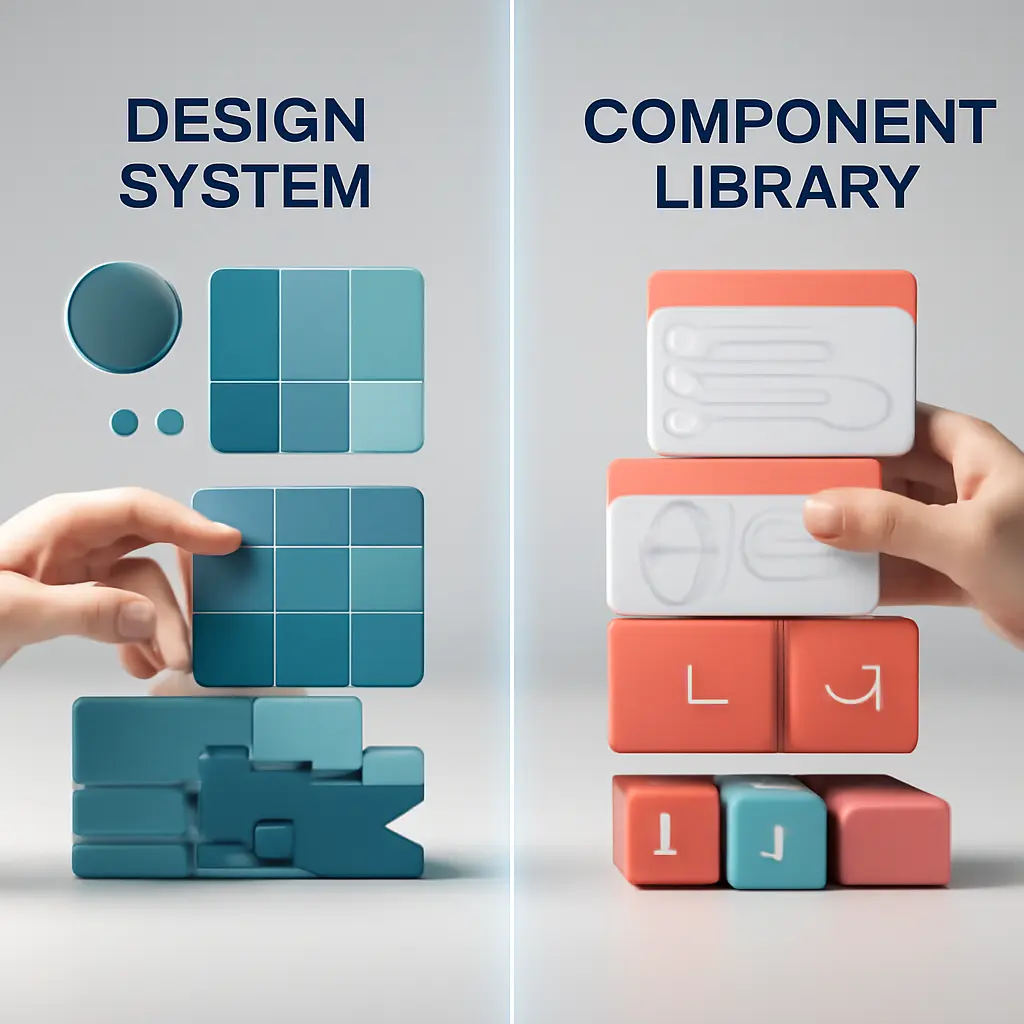
Why the 2026 showdown between Design Systems and Component Libraries matters
The debate between a Design System and a Component Library is no longer academic — it's a strategic choice that shapes product speed, consistency, and scalability in 2026. For teams building modern interfaces, including gambling and entertainment products where trust matters, the distinction affects everything from onboarding flows to a site's Casino overview rating. In this article we’ll run a practical comparison, explore trade-offs, and give clear advice so you can pick what wins for your product.
Quick definitions (so everyone’s on the same page)
Design System — A holistic set of design principles, tokens, documentation, accessibility rules, and governance intended to keep a product ecosystem consistent across teams. A design system often includes visual language, brand rules, and cross-platform guidelines. A strong design system directly impacts perceived product reliability and, in the case of casino products, can affect a user's trust and ultimately the Casino overview rating.
Component Library — A curated collection of reusable UI components (buttons, inputs, modals) implemented in code. A component library focuses on engineering reuse: it speeds development but may lack the broader governance and documentation of a full design system. For regulated products like online casinos, a well-maintained component library can reduce bugs and positively influence a product’s Casino overview rating by improving consistency in transactional pages.
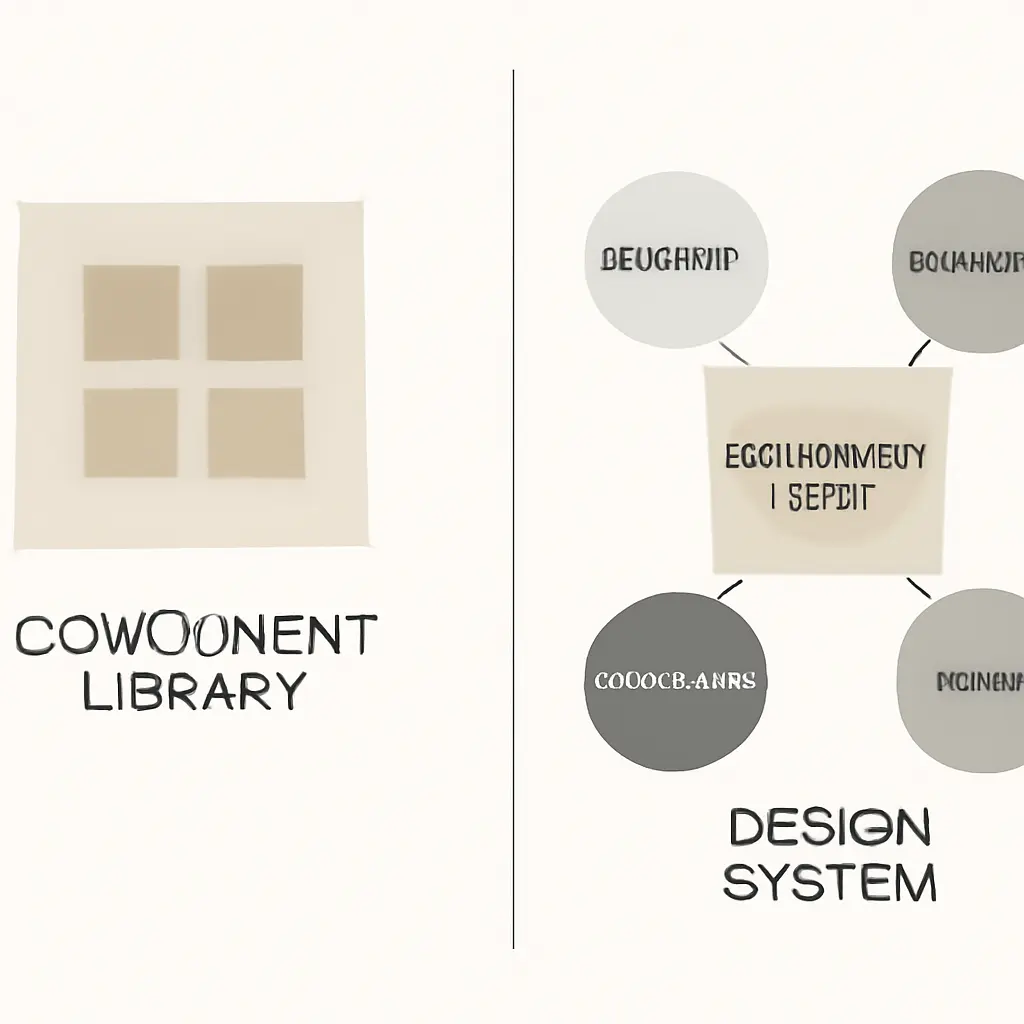
Before we dive deeper, consider this: many teams don't have to choose exclusively. Hybrid approaches are common — but each path has trade-offs that affect time-to-market, UX quality, and even compliance signals that reviewers cite in a Casino overview rating.
Key trade-offs: what you gain and what you give up
When deciding, weigh these practical trade-offs. Below are condensed advantages and caveats to help map decisions to business outcomes, including how each option can change the perceived quality in a casino product's Casino overview rating.
- Speed vs Consistency: Component libraries accelerate delivery; design systems maximize long-term consistency and brand fidelity.
- Ownership: Design systems require cross-disciplinary governance; component libraries often live as engineering projects.
- Scalability: A design system scales across product families; a component library scales across pages but may fracture without governance.
- Compliance & Trust: For regulated verticals like casinos, design systems help embed accessibility and legal considerations that influence a Casino overview rating.
Concrete wins — real-world scenarios
Here are three scenarios where one approach typically wins. Each scenario references how the choice can influence user trust and measurable outcomes, including the important context of a product's Casino overview rating.
- High growth product families: If you're expanding features across mobile, web, and kiosks, a design system wins — it ensures consistent interaction patterns that boost perceived reliability, which reviewers factor into a Casino overview rating.
- Fast experimentation: If your goal is rapid A/B testing and iteration in a single app, a component library gets value in days rather than months.
- Regulated marketplaces: For gambling platforms or payment flows, the governance and accessibility baked into a design system usually lead to higher compliance scores and better user trust — both contributors to an improved Casino overview rating.
Deciding also depends on team size. Small startups can start with a component library and mature into a design system as product breadth grows, retaining the benefits for metrics like the Casino overview rating.
How to evaluate ROI: practical checklist and metrics
Measure the choice using tangible metrics. Below is a short ROI checklist to help teams quantify benefits relevant to user trust and review outcomes — again, consider the impact on your Casino overview rating.
- Time-to-market (feature shipping cadence)
- Bug frequency in UI (regressions per release)
- Accessibility coverage (automated + manual checks)
- Design-to-dev handoff time
- Perceived trust from user testing and review platforms influencing the Casino overview rating
Use an ordered approach to decide:
- Map current pain points (consistency, speed, compliance).
- Estimate team capacity for governance and maintenance.
- Prioritize measurable experiments that can influence user trust and the Casino overview rating.
- Iterate: start small, instrument results, and scale what works.
Comparison table: how they stack up in 2026
The following table summarizes critical attributes. Note how the governance and compliance rows directly relate to outcomes that can change a product's Casino overview rating.
| Criterion | Design System | Component Library |
|---|---|---|
| Consistency | High — centralized tokens & guidelines | Medium — shared components, inconsistent usage possible |
| Time to ship | Medium — frontloaded effort | Fast — immediate developer productivity |
| Governance | Strong — cross-discipline rules and audits | Light — engineering-controlled updates |
| Compliance & Accessibility | Built-in — standards and documentation | Variable — must be enforced |
| Effect on Casino overview rating | Positive — trust & compliance signal | Neutral-to-positive — depends on maintenance |
Implementation patterns and governance
How you implement matters as much as what you choose. For example, teams that embed accessibility checklists directly into components see fewer regressions — a behavior that improves user perceptions and possibly the Casino overview rating. Consider the following approaches:
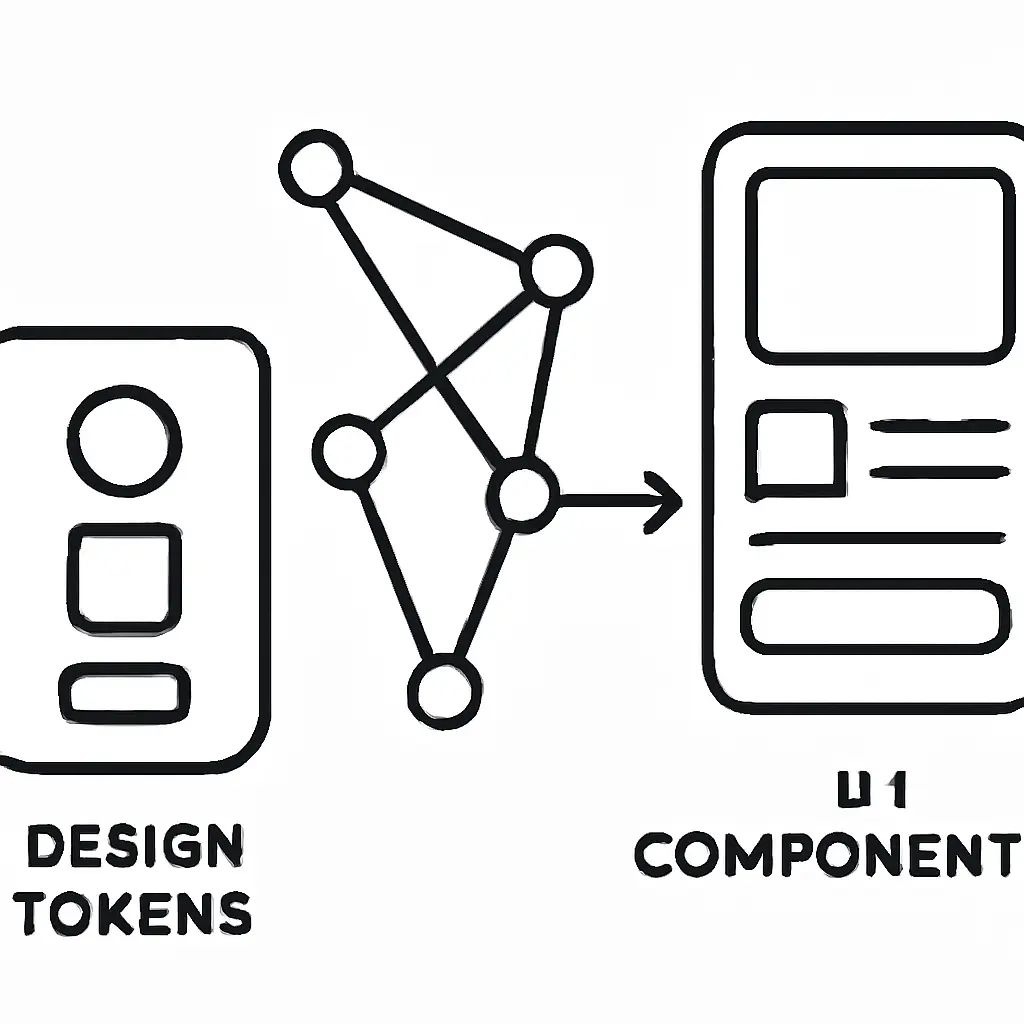
- Token-first approach: Define color, spacing, and typography tokens up front so both the design system and component library remain consistent.
- Versioned releases: Ship components and system updates on a predictable cadence to reduce surprises in production.
- Contribution model: Open the system to vetted cross-functional contributions to keep it aligned with product needs.
If you're building for high-stakes categories like casino products, also add compliance sign-offs and legal checklist gates into the release process to protect metrics tied to the Casino overview rating.
Tools and resources to accelerate adoption
There are many tools that make a design system or component library tractable in 2026. For teams focusing on responsive patterns and scaling across devices, consult resources on responsive systems to align your decisions with modern workflows. Implementing tokens and automation reduces manual drift and improves signals that reviewers include in a product's Casino overview rating.
An additional angle is microcopy and visual tweaks that increase clarity and trust — small things that often move user sentiment and ratings. For tips on typography and readability (which influence perceived professionalism and trust in gambling interfaces), see our guide on responsive typography. These improvements can subtly lift a Casino overview rating by improving clarity in deposit flows, terms, and FAQ sections.

Tip: instrument the areas reviewers judge most — onboarding, payments, support pages — and prioritize system work there. Metrics tied to trust and legal clarity often have outsized effect on a Casino overview rating.
When to combine both: a pragmatic hybrid
Most successful teams in 2026 use a hybrid approach: a lightweight design system guiding brand and accessibility, with a component library optimized for developer speed. This hybrid can give teams the best of both worlds — rapid feature delivery without sacrificing compliance and perceived reliability that matters for a Casino overview rating.
Here’s a simple rollout sequence many teams follow:
- Start with a component library for immediate productivity and A/B test hypotheses that affect KPIs like conversion and trust.
- Introduce tokens and a minimal style guide to reduce drift.
- Expand into a full design system with governance once product families grow.
Final checklist before you decide
Use this mini-checklist to validate your decision:
- Do you need cross-platform consistency? If yes, favor a design system.
- Is speed essential for near-term experiments? If yes, start with a component library.
- Are you in a regulated vertical like gambling where trust and legal clarity are scored? If yes, prioritize governance to protect your Casino overview rating.
Conclusion: which one wins in 2026?
There is no universal winner. For most mature organizations and regulated products — including online casino platforms where a strong Casino overview rating matters for user acquisition and retention — a design system paired with a robust component library is the pragmatic winner. It gives you consistency, compliance, and scalability. For nimble startups focused on rapid iteration, a component library provides immediate wins and a clear upgrade path.
Takeaway: choose the path that aligns with your product risk profile, team capacity, and the metrics you care about (including the all-important Casino overview rating). Start small, measure trust-related signals, and evolve toward governance as your product footprint grows.



To leave a comment, please sign up or log in
Log in / Sign up